
Part V
Transportation, Mobility, and Freedom of Movement
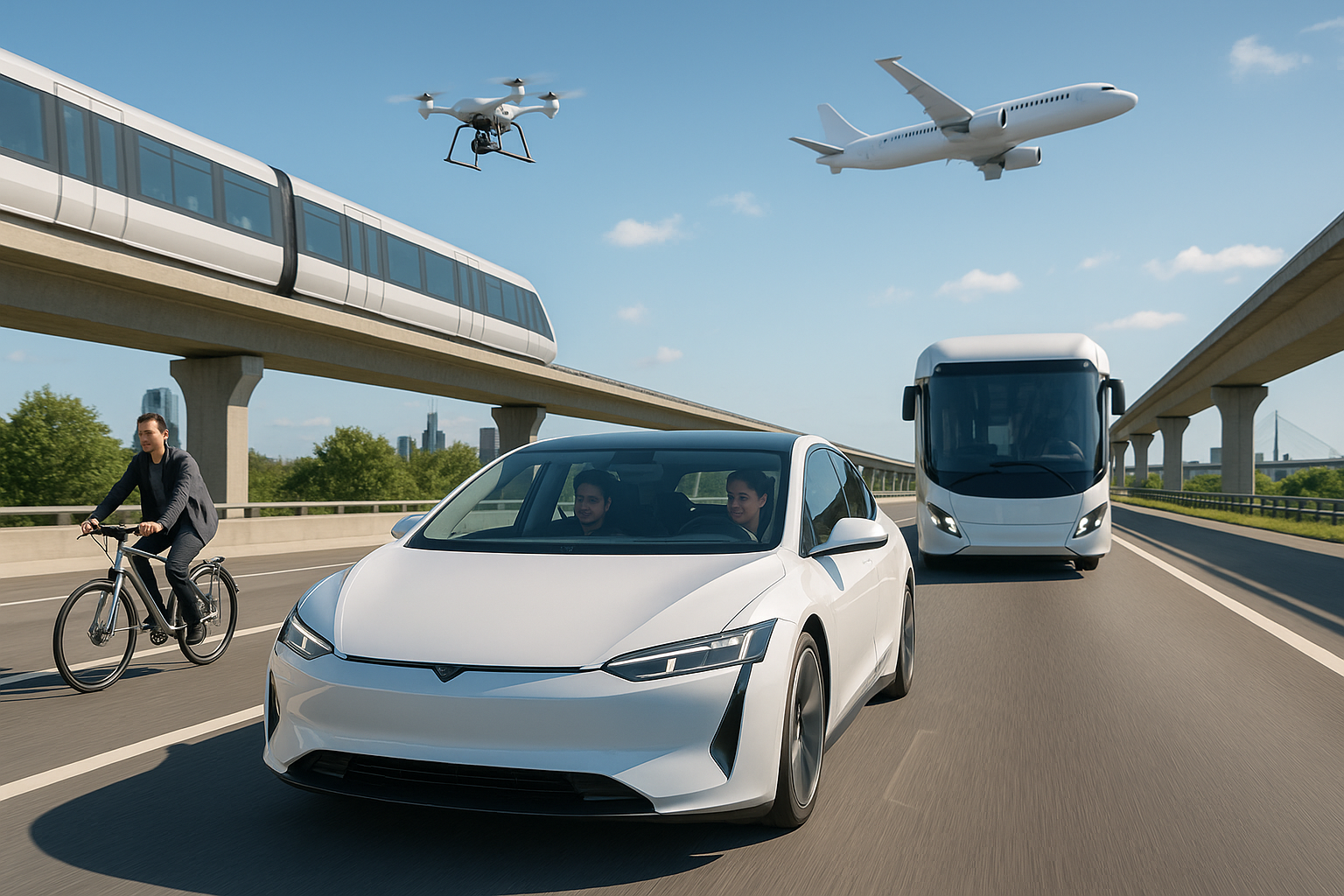
Transportation, Mobility, and Freedom of Movement
Transportation is not merely a convenience; it is a vital link to participation, opportunity, and personal freedom.
In the GRO-coordinated Human Energy Hour system, transportation is reimagined as a shared service—efficient, equitable,
and tailored to the diverse mobility needs of a global society.
From Ownership to Access
Private car ownership, while historically a symbol of freedom and status, leads to massive inefficiencies—millions of
idle vehicles, costly maintenance, pollution, and traffic congestion. Under GRO, transportation shifts from ownership
to on-demand access. Vehicles are managed through regional transportation networks and dispatched based on need, distance,
and vehicle type.
Pay by the Mile—Human Energy Efficient
Transportation is calculated by the mile and paid through the HEH system. This includes not just personal travel but also
freight, logistics, and delivery services. The HEH cost reflects real energy use and coordination complexity, creating
incentives for eco-efficient travel and delivery systems.
Smart Coordination for Greater Efficiency
With AI managing real-time logistics, transportation supply dynamically adjusts to demand. Community-based fleets—whether
autonomous drones, electric cars, or shared public shuttles—are deployed where and when needed. Redundant travel is minimized,
traffic reduced, and emissions cut.
Custom Vehicles for Purpose and Preference
Users can choose vehicles suited to their journey—family travel, cargo movement, urban errands, or long-distance transit. GRO
ensures vehicles are maintained, insured, and upgraded for safety and comfort. Preferences can be updated in personal profiles,
and vehicles are matched accordingly.
Mobility for All—No Exclusion
No one is left behind. Those with disabilities or special mobility needs have equal access, with adaptive transport options
prioritized. Young people, elders, and those without licenses will be accommodated through automation, shared rides, or community escorts.
Drones and the End of Highways?
As technology evolves, transportation may shift to sky-based systems, freeing up land, reducing infrastructure costs, and accelerating
travel times. AI ensures flight paths, safety, and energy distribution are monitored and optimized.
Security and Trust in Transit
With integrated identity and tracking technologies, all travel is secure. Coercion and abuse are prevented through transparency, and
disputes or accidents are adjudicated swiftly using verified logs.
In this system, movement becomes a service, not a burden. Freedom of movement is guaranteed—not by how much one can afford, but by their
contribution and participation in the global system. This is not a return to scarcity-based economics, but a leap toward abundant,
intelligent, human-centered mobility.
If this vision resonates with you, and you would like to help me reach my goal of 8 billion responses, please share my website with at least one person or group that you are associated with. Check back in to get the updated number of respondents! Start date is January 20, 2026!
